
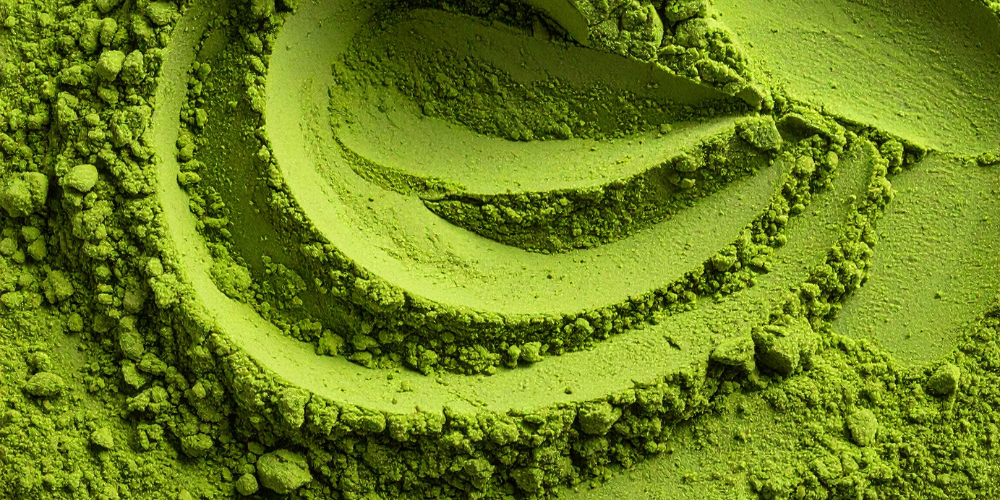
If you’ve been inside a café in the last two years, you’ve seen it. That vivid, almost unnaturally green drink sitting in the window of someone’s Instagram story. The colour is electric. The aesthetic is immaculate. And if you’ve never tried it, you might be wondering whether matcha is genuinely worth the attention it’s getting or whether it’s just another trend that’ll be replaced by something purple in six months.
The short answer: matcha is worth understanding. Not because it’s a miracle food, but because once you know what it actually is and what it does, you’ll see why it’s captured so many people who thought they’d never stop ordering coffee.
Here’s everything you need to know.
What Matcha Actually Is
Most green tea is brewed by steeping leaves in hot water, then discarding them. Matcha is different. The tea leaves are ground into a very fine powder, and when you make matcha, you whisk that entire powder into your drink. You’re consuming the whole leaf, not just the water that passed through it.
That distinction matters because it means you’re getting a much more concentrated version of everything in the leaf. More antioxidants. More caffeine. And more of the thing that makes matcha interesting: L-theanine.
“You’re not drinking steeped tea. You’re drinking the whole leaf. That’s why matcha hits differently.”
The L-Theanine Thing (And Why It Matters)
L-theanine is an amino acid found almost exclusively in tea plants. Its job, broadly speaking, is to create calm focus. When you combine L-theanine with caffeine, which matcha also contains, you get what nutritionists describe as “calm alertness.” Your brain is activated by the caffeine but the L-theanine prevents the anxiety, jitteriness, and cortisol spike that many people experience from coffee.
This is why so many people say matcha gives them energy without the crash. It’s not marketing language. The L-theanine is genuinely moderating the caffeine experience.
One cup of matcha contains roughly 70mg of caffeine. A standard flat white contains about 95mg. Matcha is not caffeine-free, but for people who find coffee overstimulating, the L-theanine makes the experience significantly smoother.
The Grades: Which One Should You Actually Buy?
There are three grades of matcha. The difference matters.
Ceremonial grade is the highest quality. Made from the youngest, most shaded leaves, ground slowly on stone mills. Vibrant, electric green. Best for drinking as a plain matcha latte or whisked with water. If you hold it up and it looks almost fluorescent, you’re on the right track.
Culinary grade is made from older, more mature leaves. The colour is still green but less vivid. Slightly more bitter. Best for baking, smoothies, and recipes where the matcha is mixed with other strong flavours. Significantly cheaper than ceremonial grade.
Café grade sits between the two and is what most cafés use. Fine for a daily latte. Not worth drinking plain.
The colour is your best quality indicator. Vivid, bright green means fresh, quality matcha. Dull, brownish-green means old or low-grade leaves. Don’t buy matcha in a clear container if you can help it: light degrades the antioxidants.
Where to Buy It in NZ
Matcha powder is widely available in New Zealand now. T2 Tea (Auckland, Wellington, Christchurch) stocks ceremonial grade. Countdown and New World carry culinary-grade matcha in the tea and coffee aisle. For better ceremonial-grade options, Japanese grocery stores in Auckland and Wellington are worth a visit. Online options include Morning Made.
Budget roughly $20–$40 for a 30–50g tin of good ceremonial matcha. A tin will last you several weeks of daily lattes.
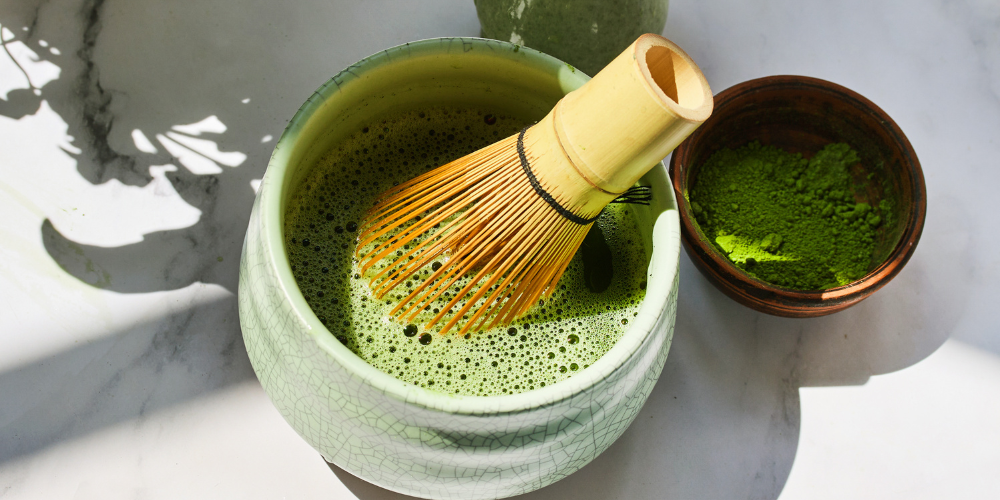
How to Make a Matcha Latte at Home
You need: a small sieve, a whisk or small electric frother, a cup, and oat milk.
- Sift 1–1.5 teaspoons of matcha powder into your cup to remove lumps.
- Add 60ml of water at about 75°C (hot but not boiling — boiling water makes matcha bitter).
- Whisk vigorously in a W or M motion for about 30 seconds until frothy.
- Add 150ml of warmed and frothed oat milk.
- No sweetener needed for good ceremonial matcha. Add a small amount of honey if you prefer a sweeter drink.
That’s it. Once you’ve made one at home, the $9 café version becomes harder to justify.
Matcha in the Kitchen
Matcha isn’t only a drink. Its slightly bitter, grassy, complex flavour works in baked goods, overnight oats, and smoothie bases. The colour it produces in food is beautiful: a vivid, pale green that photographs extremely well.
Search “matcha” in the We Eat Well ingredient search to find every We Eat Well recipe that uses matcha powder. From overnight oats to baked goods, the matcha ingredient collection is worth browsing if you’re looking to cook with it rather than just drink it.